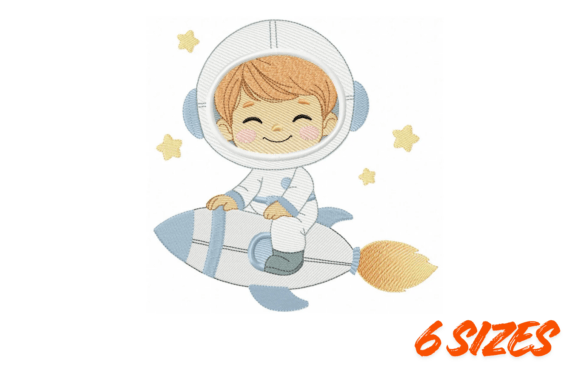
Baby Astronaut Embroidery Design Review
As an experienced embroidery designer preparing for a busy weekend craft fair, I am constantly evaluating digital assets to see if they have the potential to become best-selling handmade products. Today, I am putting the Baby Astronaut Embroidery Design through its paces. The description paints a picture of something incredibly cute and versatile, perfect for nursery decor and baby clothes. But does it translate from a screen to a physical booth display? After mentally mapping out my table with tote bags, aprons, tea towels, and caps, here is my professional assessment of this design as a commercial asset.
First Impressions: Cute, Modern, and Market-Ready
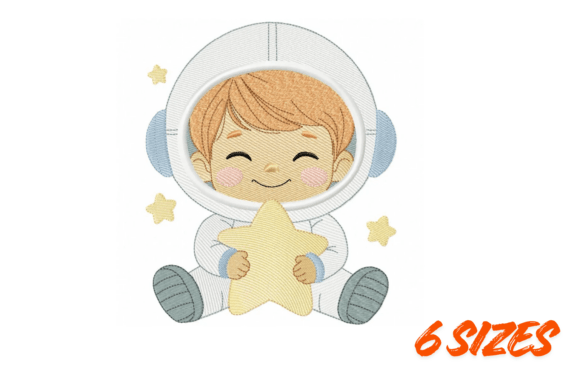
The moment you look at the title and description, the vibe is undeniably soft and modern. It screams "new parent" without being overly sentimental. In the crowded world of embroidery files, finding a theme that balances whimsy with clean lines is crucial. This Baby Astronaut Embroidery Design feels like it belongs in a contemporary boutique rather than a rustic farmhouse shop. The concept of a "cute baby astronaut" suggests a playful character that will catch the eye immediately. For an Etsy seller or a booth operator, this kind of immediate emotional connection is what drives impulse buys. It feels premium enough to command a higher price point but accessible enough to be a gift for anyone expecting a child.
Product Potential: Where This Design Shines
When I visualize my craft fair table, I don't just think of one product; I think about how this design can anchor a collection. The versatility of this file makes it a powerhouse for various categories.
- Tote Bags: A small, centered version of the Baby Astronaut Embroidery Design on a canvas tote bag is a classic. It adds a touch of personality to a utilitarian item, making it a perfect carry-all for diaper bags or market runs. As a tote bag design, it offers high visibility when customers are browsing racks.
- Aprons and Kitchen Towels: For the kitchen enthusiast, this design transforms a standard apron into a conversation starter. On a tea towel embroidery project, the white background allows the thread colors to pop, creating a bright focal point in any home. It works beautifully as a kitchen towel embroidery piece because the space usually accommodates a single, charming motif perfectly.
- Caps and Patches: The curved surface of a baseball cap requires a design that isn't too wide. If the digitization is tight, this design could serve as a standout embroidered patch or a direct-to-garment accent. It fits the narrative of "little explorer," which resonates well with parents buying gifts for toddlers.
- Pillow Covers and Blankets: These items often require larger hoop sizes. If the Baby Astronaut Embroidery Design scales up well, it becomes a centerpiece for nursery decor. A pillow cover featuring this design elevates the perceived value of the item, turning a simple textile into a luxury handmade product.
Selling Points: Visual Appeal and Customer Attention
In a craft fair setting, your display must work harder than your sales pitch. Customers scan tables quickly, so the Baby Astronaut Embroidery Design needs to stop them in their tracks. Its potential lies in its ability to photograph well for online listings and stand out in person. The character likely features distinct shapes—perhaps a helmet, a star, or a rocket—that create strong visual contrast against fabric textures. This clarity ensures that even from three feet away, the detail is appreciated. For a small shop product, having a design that looks crisp and intentional is vital for building brand consistency.
Furthermore, the repeatability of this design is a major plus for batch production. You can create a series of matching items—a set of three tea towels, a collection of pouches, or a bundle of hats. When customers see a cohesive line of commercial embroidery products, they are more likely to buy multiple items. The design acts as a unifying element that tells a story, encouraging buyers to engage with your booth and ask questions about the customization options available.
Practical Production and Technical Considerations
While the concept is promising, the devil is in the details. As a designer, I know that a beautiful image on a screen can fail miserably on fabric if the technical execution is overlooked. Before running this as a machine embroidery design, several factors must be addressed.
Stitch Density and Tiny Details: Many cute designs suffer from overcrowding. If the Baby Astronaut Embroidery Design has dense stitch areas or tiny details like facial features or text, these may blur together on certain fabrics. I would advise testing the design on scrap fabric first. Pay close attention to whether the eyes or the helmet visor lose definition. If the design relies on small lettering, ensure it remains legible at the intended size. Small text often gets lost in the stitching process, especially on textured materials.
Fabric Texture and Thread Contrast: The choice of fabric plays a massive role in the final look. On a rough burlap or a heavily textured towel, fine details might get swallowed by the weave. Conversely, on a smooth cotton twill, the design should shine. You must also consider thread colors. High contrast between the design and the fabric is essential for visibility. A light-colored astronaut on a dark navy cap might lack the punch needed to sell, whereas a dark outline on a pastel pink blanket would be stunning. Always compare fabric colors before committing to a full run.
Hoop Size and Stabilizer: The success of any embroidery file depends on proper stabilization. Curved surfaces like caps present unique challenges; if the design is too large for the available hoop area, it may distort. Ensure the hoop size matches the design dimensions. Using the wrong stabilizer can lead to puckering, which ruins the professional look of the finished product. For items like aprons or pillow covers, a cut-away stabilizer is often necessary to maintain shape over time.
Creating Mockups and Commercial Readiness
Before listing this as a digital embroidery file or producing inventory, I recommend creating at least one real mockup. Digital renderings are great, but they cannot capture the texture of the stitches. A physical sample allows you to inspect the stitch density and confirm that the design holds up under pressure. Additionally, if you plan to sell finished goods at a craft fair or online, you must confirm the commercial licensing terms. Some design assets allow for unlimited sales, while others restrict the number of units. Clear communication here protects your business.
Finally, consider the target audience. Parents and grandparents looking for personalized gifts want quality. They want to feel that the item was made with care. By ensuring the Baby Astronaut Embroidery Design is executed flawlessly, you elevate your brand. Whether you are a craft fair product vendor or a dedicated Etsy seller, the goal is to deliver a finished product that exceeds expectations.
In conclusion, the Baby Astronaut Embroidery Design has significant potential to be a top performer in the handmade market. Its charm, versatility across products like apron embroidery and market bags, and suitability for nursery themes make it a valuable addition to any creator's library. However, success depends on rigorous testing, proper material selection, and a keen eye for detail. With the right preparation, this design can transform from a simple digital download into a beloved staple of your craft fair booth.