Custom Farm Tractor Embroidery Design Review
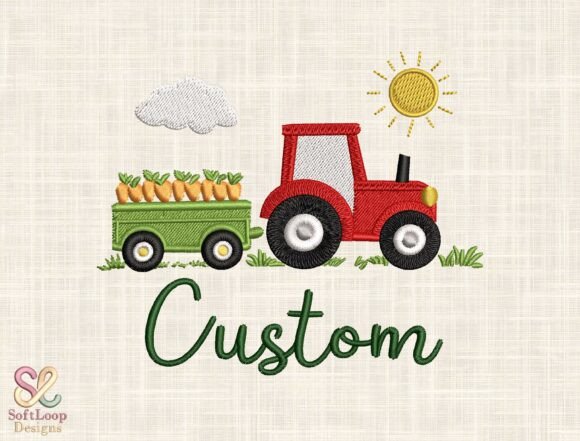
As an experienced embroidery designer who has spent years refining digital files for commercial use, I approach every new asset with a critical eye. When evaluating Custom Farm Tractor Embroidery Design, my goal is not just to admire the aesthetics but to determine its viability for small business merchandise and branded patches. The description paints a picture of charm: a bright red tractor pulling through a countryside scene, evoking farmhouse vibes. But does this translate into a professional brand asset? In this review, I will break down how this machine embroidery design performs in real-world scenarios for Etsy sellers, boutique owners, and apparel decorators.
First Impressions and Brand Personality
The moment you view the preview of Custom Farm Tractor Embroidery Design, the personality shines through. It feels friendly, rustic, and undeniably playful. For a brand looking to establish a connection with customers through warmth and authenticity, this design hits the mark. It avoids the cold, corporate look often found in vector graphics, offering instead a tactile, handmade presentation that suggests quality and care.
This aesthetic is particularly powerful for businesses in the food, agriculture, or lifestyle sectors. Imagine a local bakery using this as a chest logo on their aprons, or a florist stamping it on tote bags. The imagery of the tractor immediately signals a connection to the land, tradition, and hard work. It creates an instant narrative before a customer even reads the tagline. However, designers must be aware that while it is charming, it leans heavily towards the casual side. It may not suit a high-end luxury fashion label, but for a craft business or a farm-to-table restaurant, it offers the perfect visual consistency.
Real-World Application for Small Business Merch
The true test of any embroidery file lies in its execution on various substrates. Based on the description of a bright red tractor, Custom Farm Tractor Embroidery Design appears to have strong color blocking, which is excellent for visibility. Here is how I see this design performing across different product categories:
- Embroidered Patches: This design is ideal for creating custom patches. The bold outlines suggested by the tractor theme make it suitable for heat-seal or iron-on applications. A patch featuring this motif could serve as a premium add-on for denim jackets or backpacks sold at craft fairs.
- Staff Uniforms and Aprons: For a café or bakery, placing this on the left chest of a white chef's coat or a canvas apron adds a touch of whimsy without overwhelming the wearer. It humanizes the staff and makes the brand feel approachable.
- Cap Embroidery: The curved surface of a baseball cap can be tricky, but if the design is scaled correctly, the tractor shape works well on the front panel. It acts as a subtle yet recognizable symbol of the brand.
- Tote Bag Design: Canvas totes are a staple for handmade brands. This design would look fantastic centered on a large tote bag, serving as both a functional item and a walking advertisement for the business.
- Product Packaging Accents: Consider stitching a smaller version onto the flaps of wooden boxes or fabric gift bags used for shipping orders. These tiny details significantly elevate the unboxing experience.
In these contexts, Custom Farm Tractor Embroidery Design moves beyond mere decoration; it becomes a tool for brand identity. It reinforces the values of the business—whether that is sustainability, local sourcing, or a love for the outdoors—and helps build customer trust through visual recognition.
Critical Considerations for Commercial Production
While the potential is high, an experienced designer knows that "cute" does not always equal "durable." There are specific areas where Custom Farm Tractor Embroidery Design requires careful scrutiny before committing to a full production run. If you are planning to use this for commercial embroidery, you must address the following challenges:
Small Patch Sizes and Cap Fronts: If you intend to reduce the size of the design for a pocket patch or a small hat logo, you risk losing detail. The intricate parts of the tractor, such as the wheels or the exhaust pipe, might merge together if the stitch density is too high relative to the size. Always test the design at its smallest intended scale.
High Stitch Density: Large solid areas of red thread can create a heavy, stiff texture. On delicate fabrics like lightweight tees or fine linens, this weight might cause puckering. You need to ensure the stabilizer used matches the fabric weight to prevent distortion. If the design is too dense, it may also become uncomfortable against the skin when worn on uniforms.
Fabric Texture and Color Contrast: The description mentions a "bright red" tractor. This implies a need for high contrast. If you plan to embroider this on dark uniforms or textured fabrics like tweed or corduroy, the thread colors might get lost. Dark backgrounds require underlay techniques to make the colors pop, and textured surfaces can eat up fine details. Test your thread colors against the actual fabric swatch before mass production.
Frequent Washing: For items like aprons or work shirts that undergo frequent industrial washing, the longevity of the stitches is paramount. Designs with long, floating stitches (common in tractor outlines) can snag easily. Ensure the digitizing includes sufficient satin stitches or running stitches to secure all elements firmly.
Practical Designer Notes for Implementation
To ensure the finished product meets professional standards, I recommend following these steps before launching your merchandise line:
- Black and White Test: Convert the design to grayscale first. This helps you evaluate the composition and balance without being distracted by the vibrant red. Does the shape hold up without color?
- Hoop Size Verification: Check the recommended hoop size for the digital file. If the design is larger than your standard 4x4 or 5x7 hoops, you will need to re-digitize it or use multi-hooping techniques, which increases labor costs.
- Stabilizer Selection: Choose a stabilizer that complements the fabric. Cut-away stabilizers are generally best for stretchy knits or items that will be washed often, while tear-away works for stable wovens like canvas totes.
- Mockup Creation: Before sending anything to the factory or printing press, create a printable mockup. Place the design on images of your actual products to visualize the final result. This allows you to spot sizing issues early.
- Commercial Licensing: Crucially, confirm the commercial licensing terms. Just because you purchased the file does not automatically grant you the right to sell thousands of embroidered hats. Ensure you have the proper license for brand identity usage.
Final Thoughts on Visual Consistency
Custom Farm Tractor Embroidery Design offers a delightful opportunity for small businesses to inject personality into their product line. By balancing the rustic charm of the tractor with professional execution, you can create a cohesive brand image that resonates with customers. Whether it appears on a sleeve detail, a product label, or a flagship patch, this design has the power to turn a simple garment into a statement piece.
However, success depends on technical precision. Take the time to test the stitch density, verify the thread colors, and inspect the spacing on real fabric. When executed correctly, this machine embroidery design will not only enhance the value of your goods but also strengthen the emotional connection your customers have with your brand. For any seller looking to blend functionality with a touch of country flair, this is a strong contender for their design assets library.