Flower Garden Embroidery Pattern Review
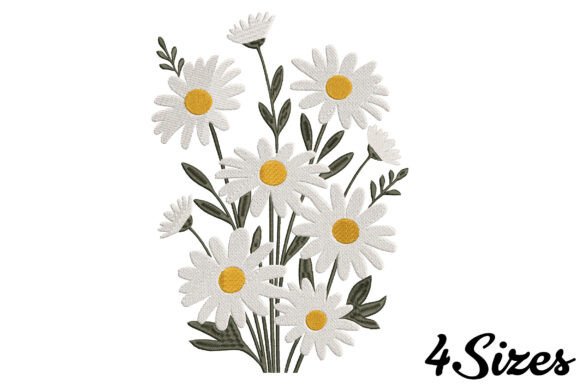
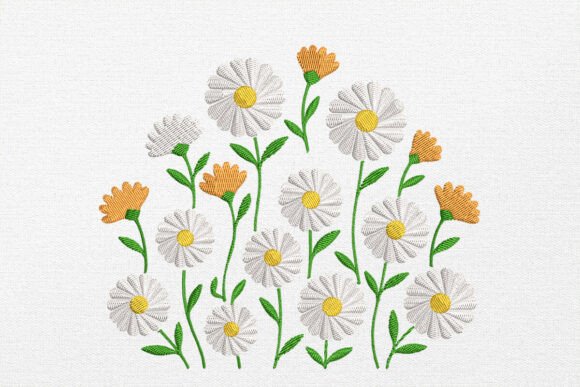
As an experienced embroidery designer who has spent countless weekends setting up booths at local craft fairs, I know that the difference between a design that sits on the table and one that sells out by noon often comes down to visual clarity and production practicality. When I first laid eyes on the Flower Garden Embroidery Pattern, described as featuring elegant wildflowers in a minimalist style, I immediately began visualizing it on my upcoming weekend display. This review is not just about the aesthetic appeal of the Love Hands Line Art Embroidery Design collection but how this specific piece performs when turned into tangible craft fair products for handmade market shoppers.
The First Impression: Minimalist Elegance
In the crowded world of handmade goods, bold graphics can sometimes overpower a booth, while overly intricate designs can lose their charm from a distance. The Flower Garden Embroidery Pattern strikes a perfect balance. Its description as "elegant" and "minimalist" suggests a clean, modern look that appeals to the current trend of farmhouse chic and contemporary decor. Unlike dense, heavy floral wreaths that can feel dated or cluttered, this design promises a fresh, airy feel. For an Etsy seller or boutique maker, this translates to a product that feels premium without being ostentatious. The line art style implies a focus on negative space, which is crucial for making the embroidery pop against various fabric backgrounds.
Product Potential Across Your Inventory
When planning my booth layout, I consider where a design will stand out most. The Flower Garden Embroidery Pattern is incredibly versatile, making it a powerhouse for multiple handmade products.
- Tote Bag Design: A large tote bag is a staple at any craft fair. Placing this minimalist wildflower motif on the front pocket or centered on the canvas allows the design to breathe. It photographs beautifully for online listings and looks sophisticated on natural cotton bags.
- Apron Embroidery: For the kitchen-focused shopper, an apron with this design adds a touch of rustic elegance. The minimal style ensures it doesn't look too busy while cooking, yet remains a focal point for the wearer.
- Tea Towel Embroidery: Linen or cotton tea towels are high-margin items. The delicate lines of the wildflowers would look exquisite here, especially if paired with neutral thread colors.
- Embroidered Patch: Converting this into a sew-on patch could be a unique upsell item. The clear lines make it suitable for iron-on applications, perfect for customizing denim jackets or caps.
- Pillow Covers and Market Bags: These larger surface areas allow the design to serve as a statement piece. The "modern embroidery lovers" demographic mentioned in the description will appreciate this versatility.
Production Practicality and Batch Selling
For a small shop owner or digital embroidery file creator, efficiency is key. One of the strongest selling points of the Flower Garden Embroidery Pattern is its potential for batch production. Because it relies on line art rather than complex fill stitches, it likely offers a faster turnaround time on the machine. This speed allows you to produce enough inventory to stock a full booth without spending weeks stitching.
The design's simplicity also makes it highly repeatable. You can create variations by simply changing the thread colors. A pastel palette might sell well in spring, while earth tones could dominate the fall season. Furthermore, the clean lines ensure that the design remains legible even when digitized for smaller items like pouches or coffee sleeves. This repeatability is essential for maintaining brand consistency across your commercial embroidery offerings.
Photography and Visual Appeal
In the digital age, your printable mockup is often the first interaction a customer has with your product. The Flower Garden Embroidery Pattern is inherently photogenic. The minimalist style captures light well, avoiding the deep shadows that can occur with heavy satin stitch fills. When photographing finished products for your Etsy listing, the clean lines will render sharply on mobile screens, ensuring that customers can appreciate the detail before they click "buy."
This design also excels in creating a cohesive booth display. If you arrange tote bags, aprons, and pillows all featuring this same wildflower motif, the repetition creates a unified brand identity. Customers are drawn to booths that look curated and professional, and this pattern provides the visual anchor needed to achieve that look.
Critical Considerations for Execution
While the design sounds promising, a professional approach requires caution. Before mass-producing, there are several technical factors to evaluate to ensure the final finished product meets quality standards.
Stitch Density and Detail: While "line art" suggests simplicity, some embroidery files can have dense underlay or tight stitch counts that cause puckering. You must check the stitch density to ensure the fabric does not distort, especially on lightweight materials like sheer curtains or thin linen. If the design includes tiny details, test them at the intended size; what looks good on screen may disappear when stitched on a small patch.
Fabric Texture and Color: The success of this design depends heavily on contrast. On dark fabric, the white or light-colored lines of a minimalist design might get lost unless you use a high-contrast thread. Conversely, on textured towels or thick denim, the needle penetration needs to be sufficient to lay the thread flat. Always compare your fabric texture choices against the design lines to maintain clarity.
Hoop Size and Stability: Ensure the hoop size matches your intended product dimensions. A design meant for a 4x4 hoop might need resizing for a 6x10 hoop to avoid excessive trimming or stretching. Using the correct stabilizer is non-negotiable; a floating stabilizer might be needed for curved cap surfaces, while cut-away is better for permanent garments.
Final Designer Notes for Sellers
To truly maximize the value of the Flower Garden Embroidery Pattern, I recommend starting with a rigorous testing phase. Create at least one real mockup using the exact fabric and thread you plan to sell. Inspect the back of the work for loose threads or excessive stabilizer residue, as these detract from the perceived handmade quality.
Finally, always confirm your commercial licensing terms before turning this digital embroidery file into a revenue stream. Understanding the rights associated with the Love Hands Line Art Embroidery Design ensures you can safely sell your tote bags, aprons, and patches without legal hurdles.
By focusing on the strengths of this minimalist wildflower design and adhering to strict production standards, you can create a standout collection that resonates with buyers looking for modern, elegant, and functional home goods. The Flower Garden Embroidery Pattern is more than just a design; it is a strategic asset for any creative entrepreneur ready to elevate their craft fair presence.