Mouse Embroidery Design Review for Business Use
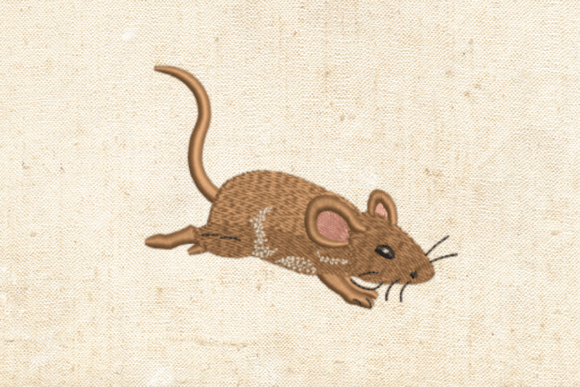
As an experienced embroidery designer who has spent years crafting assets for small business merchandise and branded patches, I approach every new embroidery file with a critical eye. When I first encountered the Mouse Embroidery Design, my immediate focus was not just on its aesthetic appeal but on its viability for commercial application. The product description invites you to "immerse yourself in the fine craftsmanship" and notes that it captures the "playful spirit of a running mouse." This sets a specific tone: friendly, energetic, and distinctly handmade. For a small business owner looking to elevate their brand identity, this design offers a unique opportunity to inject personality into their inventory without sacrificing professionalism.
The First Impression: Playful Yet Professional
In the crowded marketplace of small business merch, visual consistency is key. The Mouse Embroidery Design strikes a balance between rustic charm and modern appeal. Unlike stiff corporate logos, this piece feels alive, as if "every stitch reverberates with life." This quality is essential for brands in the bakery, pet care, or creative studio sectors where a warm, approachable image is desired. It falls comfortably within the Farm Animals category, yet its execution suggests it can transcend that label to serve as a versatile accent for various industries.
When evaluating the design for brand identity, one must ask if it conveys trust. A playful mouse can signal creativity and fun, which is excellent for engaging customers on platforms like Etsy or at local craft fairs. However, for high-end boutiques, the success of this machine embroidery design depends entirely on thread selection and placement. If executed with premium threads and precise spacing, it elevates the perceived value of the finished product. If done poorly, it risks looking amateurish. The description promises fine craftsmanship, suggesting that the underlying digital file is robust enough to support high-quality production.
Real-World Applications for Merchandise and Patches
The versatility of this design makes it a prime candidate for several high-demand business applications. For a local café or bakery, incorporating the Mouse Embroidery Design onto staff aprons creates a cohesive and memorable look. An embroidered patch featuring this running mouse can serve as a logo accent on the chest of work shirts, instantly recognizable by regulars. The "running" aspect of the mouse adds a dynamic element that works well on items meant for movement, such as uniforms or active wear.
For custom apparel creators and digital embroidery file buyers, this design is ideal for cap embroidery. A small, stylized mouse on the front panel of a baseball cap or a structured dad hat can become a signature look for a brand. Similarly, tote bag designs often benefit from the whimsical nature of animal motifs. A single, well-placed mouse on a canvas tote bag transforms a generic item into a branded asset that customers are proud to carry. It also serves as a perfect add-on for product packaging; imagine a small patch sewn onto the lid of a jar of homemade jam or a tag attached to a handmade toy.
In the realm of event merchandise, this design shines. Whether for a craft fair, a community fundraiser, or a corporate team-building event, the Mouse Embroidery Design offers a distinct visual hook. It allows businesses to create limited-run items that feel exclusive and special. For Etsy branding and online sellers, having a consistent motif across all physical goods builds a strong narrative. Customers buy the story as much as the product, and a running mouse suggests agility, curiosity, and a touch of mischief that resonates with many demographics.
Strategic Considerations and Potential Pitfalls
While the potential is high, there are specific areas where this design requires careful handling. The description mentions "fine craftsmanship," but in the world of embroidery, fine details can sometimes get lost depending on the size and fabric. Small patch sizes present a particular challenge; intricate outlines or tiny features might blur together if the stitch density is too high or the patch is too small. Before committing to a large run, it is crucial to test the design at the intended final dimensions.
Curved surfaces, such as the front of caps, require precise digitizing to ensure the mouse does not appear distorted. High stitch density, while necessary for durability, can cause puckering on lightweight fabrics or delicate blends. This is especially relevant for tote bag design projects using thin canvas or for apron embroidery on light cotton blends. Dark uniforms pose another hurdle; the contrast of the thread colors against dark fabric must be meticulously planned. If the original design relies on subtle shading, it may need to be simplified for dark backgrounds to maintain visibility and impact.
Items that undergo frequent washing, such as work shirts or aprons, demand durable construction. The running mouse motif involves movement lines and potentially detailed stitching that could snag or fray if not stabilized correctly. Therefore, understanding the limitations of the design relative to the fabric texture is paramount for long-term customer satisfaction.
Impact on Brand Identity and Customer Trust
A well-executed embroidered patch does more than decorate; it communicates professionalism. When a customer sees a crisp, clean Mouse Embroidery Design on a uniform or a product, it signals attention to detail. This visual consistency fosters customer trust and recognition. In a sea of mass-produced goods, the texture and depth of machine embroidery provide a tactile experience that printed graphics cannot match. This tangible quality enhances the handmade product feel, allowing small businesses to compete with larger retailers by offering superior craftsmanship.
The design's ability to engage buyers lies in its emotional connection. A running mouse evokes feelings of playfulness and speed. When integrated into a brand's visual language, it can differentiate a business as innovative and spirited. However, this effect is only achieved if the thread colors are chosen thoughtfully to complement the brand palette and if the stitch density ensures the image remains clear and legible.
Practical Designer Notes for Production
Before deploying this design asset for commercial use, professional standards dictate a rigorous testing phase. Always test the Mouse Embroidery Design in black and white first to evaluate the structure and flow of the stitches without the distraction of color. Check if the design holds up when scaled down to a small patch size; if the details become muddy, the file may need adjustment.
Reviewing thread color contrast is non-negotiable. Ensure the chosen threads pop against the intended fabric texture. Inspect the spacing between elements to prevent crowding, which can lead to thread breaks during production. Confirm the appropriate hoop size for your project to avoid unnecessary distortion. Testing on real fabric samples is the only way to verify how the design behaves under tension and heat.
Proper stabilizer selection is critical for maintaining the integrity of the design, particularly on stretchy or unstable materials. Creating a printable mockup for client approval can save time and resources before cutting fabric. Compare this design alongside other design assets in your library to ensure it fits the overall aesthetic. Finally, confirm commercial licensing terms explicitly. While the description highlights the artistic merit, you must verify that you have the right to sell products featuring this commercial embroidery design.
By following these guidelines, the Mouse Embroidery Design can transform from a simple digital file into a powerful tool for brand building. It offers a delightful blend of artistry and utility, perfect for businesses ready to make a lasting impression through the enduring medium of embroidery.